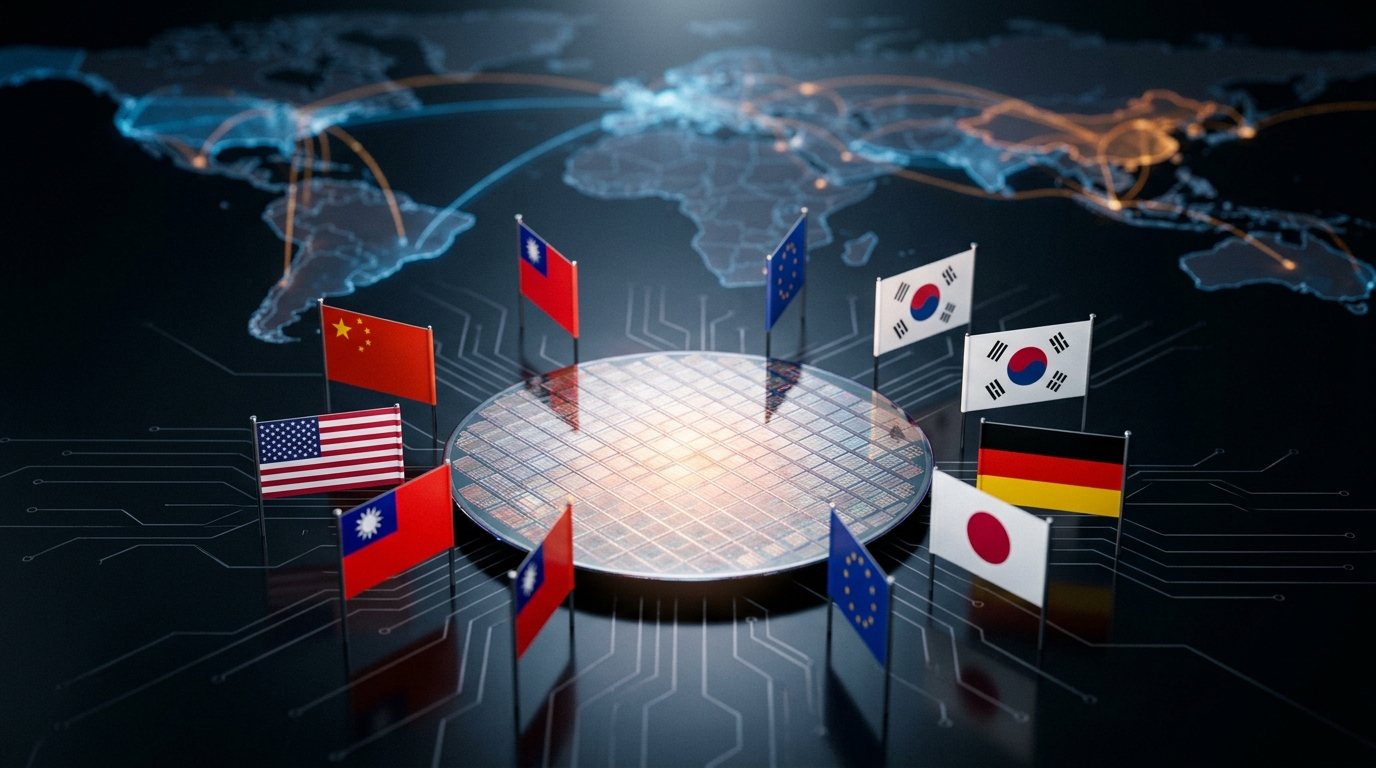
It might sound dramatic, but one of the biggest geopolitical contests of our time is being fought over something smaller than a fingernail: the advanced computer chip. In 2026, the race to control who makes these chips — and who’s allowed to buy them — is shaping global politics, trade, and the future of AI itself.
Why Chips Became So Powerful
Advanced semiconductors are the engines behind everything from your smartphone to the giant AI systems making headlines. But making the most cutting-edge chips is extraordinarily hard, requiring rare expertise and equipment concentrated in just a handful of places. That scarcity has turned chips into a chokepoint — control the chips, and you have leverage over the entire AI economy.
The US–China Standoff
At the centre is the rivalry between the United States and China. Washington has used export controls to limit China’s access to the most powerful chips, hoping to slow its AI progress. China has responded by pouring resources into building its own domestic chip industry and finding workarounds. In 2026 the picture grew more nuanced — the US shifted toward case-by-case approvals for certain high-end chips bound for China, subject to tariffs, signalling a more transactional approach than an outright wall.
Europe’s Dilemma
Caught in the middle is Europe, which is comparable in market size to the US and China but heavily dependent on both for computing power. The EU is pushing a new chips strategy to close the gap with global AI-chip leaders, but it faces hard choices between moving fast and keeping its strict regulations. Notably, Europe holds one ace: a near-monopoly on the ultra-precise lithography machines needed to make the most advanced chips at all.
Why It Matters to Everyone
This isn’t just a story for governments and CEOs. The outcome will influence how much your gadgets cost, how quickly new technology reaches you, and which countries set the rules for AI in the years ahead. When chip supply chains wobble — as they have during past shortages — the effects ripple into car production, electronics prices, and beyond.
The Takeaway
The chip war is really a contest over the foundation of the entire digital world. As AI becomes the defining technology of the century, control over the hardware that powers it has become a question of national strategy. Expect this quiet fight over silicon to keep making very loud headlines.
Which region do you think comes out ahead in the chip race? Let us know in the comments.