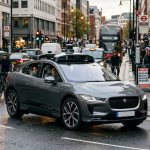
The dream of sitting back while your car does the driving has been “five years away” for about a decade now. But 2026 might finally be the year it stops being a promise and starts being a reality on public roads.
Tesla Goes All-In
Elon Musk recently said Tesla expects to roll out fully autonomous vehicles — with no human safety driver behind the wheel — across the United States this year. That’s a major leap from “driver assistance” features that still require you to keep your hands near the wheel. The claim lines up with steady improvements in the company’s self-driving software and a slowly warming regulatory environment for autonomous testing.
Why This Is a Big Deal
True driverless cars wouldn’t just change your commute. They could reshape entire industries — car insurance, ride-hailing, delivery, even how cities are designed. If a car can drive itself safely, you don’t necessarily need to own one; you could just summon one. That single shift has knock-on effects for parking, traffic, and how much time we all spend behind the wheel.
The Reality Check
It’s worth staying grounded, though. Ambitious timelines in this space have slipped before, and “we expect to deploy” is not the same as “it’s safely on every street tomorrow.” Driverless tech has to handle rare, messy, unpredictable situations — the chaotic intersection, the unexpected roadworks, the cyclist who appears from nowhere — perfectly, every time. Regulators, understandably, want strong proof before letting cars loose without a human ready to take over.
What to Watch
Keep an eye on three things this year: how widely driverless services actually launch (versus how widely they’re announced), how regulators in different regions respond, and how the public reacts the first time they share the road with an empty driver’s seat. Trust is earned slowly — and one high-profile incident can set the whole conversation back.
The Takeaway
Self-driving technology has come a remarkably long way, and 2026 could be a genuine turning point. But the gap between a confident announcement and a car you’d trust your family in is still real. Exciting times ahead — just keep your seatbelt on.
Would you ride in a car with no driver? Tell us in the comments — we’re curious where our readers stand.